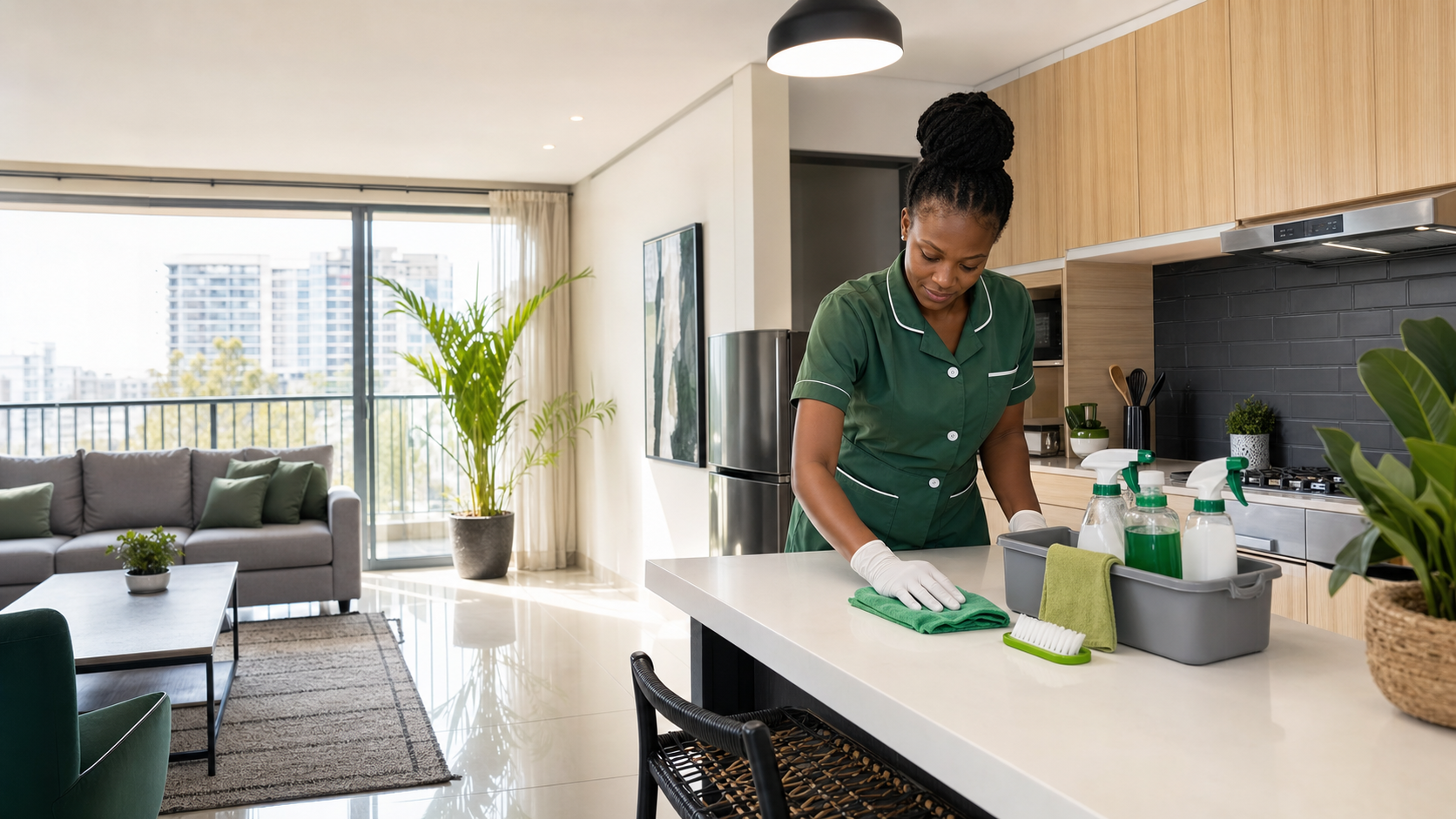
Most people clean their homes regularly without ever questioning whether they're doing it right. And to be fair, a lot of cleaning is forgiving — wipe a counter with almost anything and it'll generally look better. But some habits that feel productive in the moment are quietly working against you: spreading germs instead of removing them, damaging surfaces over time, or making a mess take longer to clean than it should.
This guide walks through the most common cleaning mistakes homeowners make, why they happen, and exactly what to do instead. Some of these will probably sound familiar — and that's the point. Most of us picked up our cleaning habits from watching someone else clean, not from any formal instruction, which means a few bad habits tend to get passed down right along with the good ones.
1. Using the Same Cloth or Sponge for Everything
This is one of the most common — and most overlooked — cleaning mistakes. Wiping down a cutting board, then the counter, then the stovetop, all with the same cloth or sponge, just moves bacteria around rather than removing it.
Fix it: Use color-coded cloths for different areas (one for kitchen surfaces, one for bathrooms, one for general dusting) and replace or sanitize sponges regularly — ideally weekly, since sponges are one of the most bacteria-dense objects in most homes.
2. Mixing Cleaning Chemicals
Combining cleaning products — particularly bleach with ammonia-based cleaners — can create toxic gas, and it's a mistake that happens more often than people realize, usually because two different products are used back-to-back without rinsing in between.
Fix it: Never combine cleaning chemicals, and always rinse a surface thoroughly with water before switching to a different type of cleaner. Stick to one product at a time, and ventilate the room well whenever you're using anything bleach-based.
3. Spraying Cleaner Directly Onto Electronics
It's tempting to spray glass cleaner straight onto a TV screen or laptop, but liquid can seep into seams and damage internal components.
Fix it: Always spray cleaner onto a cloth first, then wipe the surface — never spray directly onto screens, keyboards, or other electronics.
4. Using Too Much Cleaning Product
More product doesn't mean more clean — in fact, excess soap or cleaner often leaves behind a residue that attracts more dirt over time, creating a cycle where surfaces seem to get dirty faster the more aggressively they're cleaned.
Fix it: Follow the dilution instructions on cleaning products and resist the urge to use extra "for good measure." A thin, even application paired with proper dwell time is almost always more effective than a heavy-handed approach.
5. Cleaning Windows on a Sunny Day
It feels logical to clean windows when the sun highlights every streak, but direct sunlight causes cleaning solution to dry too quickly, leaving streaks behind before you have a chance to wipe it away properly.
Fix it: Clean windows on a cloudy day or in the shade, working in smaller sections so the solution doesn't dry before you can buff it off.
6. Vacuuming Before Dusting
Dusting shelves, blinds, and surfaces after vacuuming means all that dislodged dust settles right back onto your freshly cleaned floor.
Fix it: Always dust from top to bottom first — ceiling fans, shelves, furniture — and vacuum last, so the floor is the final surface addressed in the room.
7. Using Hot Water on Protein-Based Stains
This mistake shows up constantly with blood, sweat, and dairy stains. Hot water causes proteins to bind more firmly to fibers, setting the stain rather than lifting it.
Fix it: Always start with cold water on protein-based stains. This is one of the [golden rules of stain removal](#) that makes the biggest difference in whether a stain comes out completely or becomes permanent.
8. Letting Cleaning Products Sit Too Long (or Not Long Enough)
Many cleaning products, especially disinfectants, need a specific amount of contact time — called dwell time — to actually work. Wiping it away too soon means it never had the chance to do its job; leaving certain products on too long can damage some surfaces or leave residue.
Fix it: Check product labels for recommended contact time and actually follow it. This is one of the core principles behind effective [professional disinfection](#) — it's not just about applying a product, it's about giving it time to work.
9. Ignoring Grout and Seams
It's easy to mop a tile floor or wipe a countertop and consider the job done, while grout lines and seams quietly collect grime that never gets addressed in a standard wipe-down.
Fix it: Build in regular attention to grout and seams as part of your [deep cleaning routine](#) — a stiff brush and a baking soda paste every few weeks prevents buildup that becomes much harder to remove once it sets in.
10. Using a Dirty Mop Head or Vacuum Filter
Continuing to clean with a dirty mop or a clogged vacuum filter just redistributes dirt rather than removing it, and reduces how effective the tool actually is.
Fix it: Rinse and wring out mop heads thoroughly between uses, replace them periodically, and clean or replace vacuum filters according to the manufacturer's recommended schedule.
11. Forgetting to Clean the Cleaning Tools Themselves
Sponges, cleaning cloths, mop heads, and even spray bottle nozzles accumulate bacteria over time if they're never cleaned themselves.
Fix it: Wash cleaning cloths regularly in hot water, replace sponges every one to two weeks, and periodically disinfect mop buckets and spray bottle nozzles.
12. Using Vinegar or Acidic Cleaners on the Wrong Surfaces
Vinegar is a go-to for a lot of [DIY cleaning hacks](#), but it's acidic, which means it can etch natural stone countertops and dull certain hardwood finishes over time.
Fix it: Reserve vinegar-based cleaners for sealed tile, glass, and other acid-tolerant surfaces, and avoid it entirely on marble, granite, and most hardwood floors.
13. Scrubbing Instead of Blotting Stains
This is one of the most instinctive mistakes — scrubbing a fresh stain feels productive, but it actually spreads the stain outward and pushes it deeper into fabric or carpet fibers.
Fix it: Always blot from the outside of a stain toward the center, applying gentle pressure rather than rubbing. It takes a bit more patience, but it consistently produces better results.
14. Skipping the "Test Spot" Step
Jumping straight to cleaning a visible, prominent area with a new product or technique is risky — if it causes discoloration or damage, it's now happened somewhere everyone will notice.
Fix it: Always test new cleaning products or methods on a small, hidden area first — the back of a cushion, an inside corner of a countertop, or a hidden patch of carpet — before applying broadly.
15. Cleaning Too Infrequently — or Inconsistently
Perhaps the most common mistake of all isn't a technique error, it's a scheduling one. Many households clean reactively, only addressing a space once it's visibly dirty, rather than maintaining a consistent rhythm that prevents heavy buildup in the first place.
Fix it: A realistic, consistent schedule — even a simple one — beats an ambitious routine you can't stick to. Spreading tasks across the month, similar to the rotation outlined in [most deep cleaning schedules](#), keeps any single cleaning session from becoming overwhelming.
Why These Mistakes Happen
Most cleaning mistakes aren't about laziness or carelessness — they're about habits formed without much thought, often passed down from watching family members clean growing up. Cleaning isn't typically taught step by step the way other household skills are, so a lot of techniques get picked up through trial and error, and not every trial leads to the right conclusion.
The good news is that fixing these habits doesn't require an overhaul of your entire routine. Most of the corrections above are small adjustments — using cold water instead of hot, blotting instead of scrubbing, dusting before vacuuming — that fit naturally into the cleaning you're already doing.
A Quick Reference Checklist
To make these fixes easier to remember, here's a condensed version you can keep in mind during your next cleaning session:
- Use separate cloths for kitchen, bathroom, and general surfaces
- Never mix cleaning chemicals, especially bleach and ammonia
- Spray cleaner onto a cloth, not directly onto electronics
- Follow product dilution and dwell time instructions
- Dust before vacuuming, not after
- Use cold water on protein-based stains
- Pay attention to grout, seams, and other easy-to-skip areas
- Keep mop heads, sponges, and vacuum filters clean and replaced regularly
- Match your cleaning product to the surface — avoid acidic cleaners on stone and hardwood
- Blot stains instead of scrubbing them
- Test new products in a hidden area first
- Build a consistent, realistic cleaning schedule rather than waiting for things to look dirty
When DIY Habits Aren't Enough
Even with all the right techniques, some situations call for more than a corrected cleaning routine — heavily set-in stains, allergen buildup in carpets and upholstery, or environments that need genuine disinfection rather than surface cleaning. In those cases, bringing in [professional cleaning help](#) often delivers results that home techniques, even done correctly, simply can't match.
Final Thoughts
Most cleaning mistakes are small, easy-to-fix habits rather than major failures — using the wrong water temperature, skipping a test spot, or letting a sponge go a few weeks too long without replacement. Correcting them doesn't require buying a whole new set of supplies or overhauling your routine; it mostly comes down to a few small adjustments in how you approach the cleaning you're already doing.
Pick two or three of the mistakes above that sound the most familiar, correct those first, and build from there. Cleaning smarter, not necessarily harder, makes the biggest difference over time — both in how clean your home actually gets and how much effort it takes to keep it that way.
---
Curious which of these mistakes you might be making without realizing it? Walk through your usual cleaning routine this week with this list in mind — chances are, at least one small fix will make a noticeable difference.
Related Lasafi Guides
Use these internal Lasafi resources to compare related services, plan the right scope, and move from research to booking without leaving the site.
- Deep cleaning checklist
- How to Remove Stubborn Stains
- Best Floor Cleaning Method
- Discover DIY cleaning hacks
- Lasafi services
- Book a Lasafi service
Next step with Lasafi
If this service fits your situation, prepare the property location, preferred time, priority areas, and any photos that explain the condition. Then use the booking page so the Lasafi team can review the request clearly.