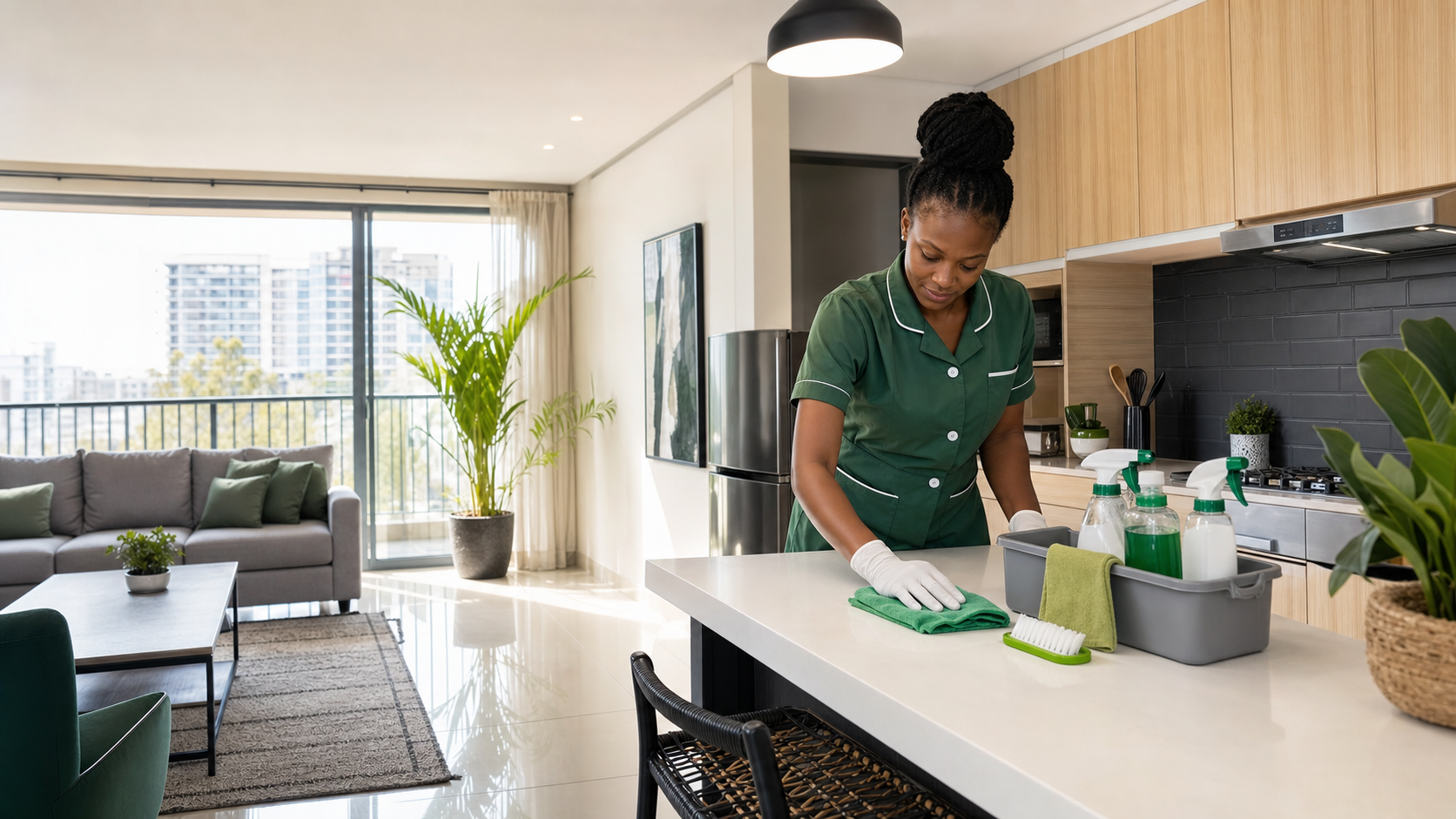
Floors take more daily abuse than almost any other surface in the house — shoes, spills, pet paws, dropped food, and constant foot traffic all land directly on them. Yet floor cleaning is one of those chores people often do on autopilot, grabbing whatever mop or cleaner is closest without thinking about whether it's actually the right method for the material underneath.
Here's the problem with that approach: hardwood, tile, laminate, and carpet all respond very differently to moisture, chemicals, and cleaning tools. Use the wrong method, and you're not just wasting effort — you could be dulling a finish, warping wood, or grinding dirt deeper into carpet fibers. This guide breaks down the best floor cleaning method for every common flooring type, plus the habits that keep floors looking genuinely clean between deeper sessions.
Why "One Method for All Floors" Doesn't Work
It's tempting to treat floor cleaning as a single, universal task — sweep, mop, done. But each flooring material has its own vulnerabilities:
- Hardwood can warp, swell, or lose its finish with too much water
- Tile and grout are porous in the grout lines, even when the tile itself is sealed
- Laminate has a protective layer that can peel or bubble if moisture seeps underneath
- Carpet traps dust, allergens, and bacteria deep within its fibers, well below what a quick vacuum reaches
- Vinyl is fairly resilient but can still discolor or develop a dull film with the wrong cleaning products
Matching your cleaning method to your floor type isn't just about getting a better shine — it's about protecting a surface that's expensive and disruptive to replace. The same principle applies across the home, whether it's [choosing the right method for a stubborn stain](#) or knowing which cleaning code applies to a sofa.
General Floor Cleaning Principles That Apply to (Almost) Everything
Before getting into material-specific methods, a few universal rules apply across nearly every floor type:
- Always remove loose debris first. Sweeping or vacuuming before mopping prevents you from just dragging dirt and grit around in a wet, muddy mess.
- Less water is usually better. Most flooring damage from cleaning comes from excess moisture, not from cleaning too infrequently.
- Use the right tool, not just the right product. A microfiber mop, for instance, picks up far more dust and bacteria than a traditional string mop, regardless of what cleaner you use with it.
- Work in sections. Cleaning floor-by-floor or room-by-room, rather than the whole house at once, keeps your cleaning solution fresh and your technique consistent.
- Dry as you go where possible. Standing water left on any hard floor — even sealed tile — is asking for streaks, slip hazards, or in some cases, damage.
Best Floor Cleaning Method by Flooring Type
Hardwood Floors
Hardwood is one of the most damage-prone floor types when it comes to moisture, which makes technique especially important.
Daily/weekly maintenance:
- Sweep or dust mop to remove loose dirt and grit, which can scratch the finish if walked over repeatedly
- Use a vacuum on the hard floor setting (never the beater bar setting, which can scratch the surface)
Deeper cleaning (every 1–2 weeks):
- Use a microfiber mop, lightly dampened — not soaking wet — with a hardwood-specific cleaner or a mixture of a few drops of mild dish soap in water.
- Mop in the direction of the wood grain for the most even results.
- Wring the mop thoroughly before each pass so it's damp, not dripping.
- Dry the floor immediately afterward with a clean, dry microfiber cloth or towel, especially in areas where water might pool.
Avoid steam mops on hardwood — the heat and moisture combination is one of the fastest ways to damage a wood floor's finish over time. Also avoid vinegar-based solutions on hardwood with certain finishes, since acidity can dull the surface; when in doubt, stick to a cleaner formulated specifically for hardwood.
Tile and Grout
Tile itself is fairly resilient, but the grout between tiles is porous and tends to hold onto dirt and grime far more stubbornly than the tile surface.
Daily/weekly maintenance:
- Sweep or vacuum to remove loose dirt before it gets ground into grout lines by foot traffic
Deeper cleaning (weekly to biweekly):
- Mop with warm water and a pH-neutral tile cleaner, working in small sections.
- For grout lines specifically, a paste of baking soda and water, applied with a stiff-bristled brush (an old toothbrush works well), lifts buildup that a standard mop pass leaves behind — the same technique used for [grout stain removal](#) elsewhere in the home.
- Rinse with clean water and dry with a towel or squeegee to prevent streaking.
Avoid harsh acidic cleaners (straight vinegar or lemon juice) on natural stone tile, since they can etch the surface over time. Stick to cleaners labeled safe for your specific tile material.
Laminate Flooring
Laminate looks like hardwood but behaves more like a sealed, layered surface — and it's particularly sensitive to water seeping into the seams between planks.
Daily/weekly maintenance:
- Sweep or dust mop regularly to prevent grit from scratching the surface
Deeper cleaning (every 1–2 weeks):
- Use a well-wrung, barely damp microfiber mop with a laminate-specific cleaner or a very diluted mild soap solution.
- Avoid letting water sit on the surface, and never pour water directly onto laminate.
- Dry immediately with a soft cloth, paying close attention to seams between planks.
Steam mops and excessive water are the most common causes of laminate damage — bubbling, warping, and peeling almost always trace back to too much moisture getting into the seams.
Vinyl Flooring
Vinyl is one of the more forgiving floor types, but it can still dull or discolor with the wrong products over time.
Daily/weekly maintenance:
- Sweep or vacuum (on a hard floor setting) to remove dirt and grit
Deeper cleaning (weekly):
- Mop with a mixture of warm water and a small amount of mild dish soap or a vinyl-specific cleaner.
- Avoid wax-based or oil-based cleaning products, which can leave a dull film over time.
- Rinse with a clean, damp mop to remove any soap residue, then dry.
Carpet
Carpet is the outlier on this list, since it requires an entirely different approach than hard flooring — there's no mopping involved, and the goal is extraction rather than surface wiping.
Daily/weekly maintenance:
- Vacuum at least once a week, more often in high-traffic areas or homes with pets, using slow, overlapping passes for the most thorough pickup
Deeper cleaning (every 6–12 months):
- Pre-treat any visible stains using the same blot-and-treat approach recommended for [removing stubborn stains from carpet](#).
- Use a carpet cleaner or steam cleaner (rented or owned) with a carpet-safe cleaning solution.
- Work in manageable sections, allowing each pass to fully extract moisture rather than just spreading it around.
- Allow the carpet to dry completely before walking on it or replacing furniture, since trapped moisture in carpet padding can lead to mold and musty odors.
For households with pets, allergies, or heavy foot traffic, professional carpet cleaning once or twice a year reaches deeper into the fibers and padding than home equipment typically can.
Choosing the Right Tools
The right tool matters nearly as much as the right cleaning solution.
- Microfiber mops trap more dust and bacteria than traditional string mops and use less water, making them the safer default for hardwood and laminate.
- Vacuum cleaners with adjustable settings allow you to switch between a beater bar for carpet and a smooth setting for hard floors, protecting finishes from scratching.
- Soft-bristled brushes are ideal for grout and textured tile without scratching the surface.
- Squeegee mops help prevent streaking on large tile or vinyl areas by pulling excess water away as you go.
- Steam cleaners are excellent for sealed tile and some vinyl, but should generally be avoided on hardwood and laminate due to heat and moisture sensitivity.
Common Floor Cleaning Mistakes to Avoid
Using too much water. This is the single most common cause of floor damage across nearly every material — a barely damp mop almost always outperforms a soaking wet one.
Skipping the dry sweep or vacuum first. Mopping over loose dirt just creates mud and can scratch hard surfaces as grit gets dragged across them.
Using the wrong cleaner for the material. A cleaner formulated for tile can dull or damage hardwood, and vice versa — always check that a product is labeled safe for your specific flooring.
Letting spills sit. Just like with [stains on fabric or upholstery](#), the longer a spill sits on a floor, the more likely it is to stain, seep into seams, or become genuinely difficult to remove.
Neglecting grout and edges. It's easy to mop the open areas of a floor and skip corners, edges, and grout lines, which is exactly where buildup tends to be worst.
How Often Should You Clean Your Floors?
Frequency depends on the room and how much traffic it sees, but here's a reasonable baseline:
- High-traffic areas (entryways, kitchens, hallways): sweep or vacuum daily, mop 2–3 times per week
- Bedrooms and low-traffic rooms: sweep or vacuum weekly, mop weekly to biweekly
- Bathrooms: mop weekly, with grout attention every 2–4 weeks, aligning with general [bathroom deep cleaning frequency](#)
- Carpeted areas: vacuum weekly, deep clean every 6–12 months
Households with pets, kids, or higher foot traffic should lean toward the more frequent end of these ranges.
Eco-Friendly Floor Cleaning Options
For households looking to minimize harsh chemicals, several natural alternatives work well for most hard flooring types:
- Diluted white vinegar and water works on sealed tile and vinyl (avoid on hardwood and natural stone)
- A few drops of dish soap in warm water is gentle and effective for most surfaces
- Baking soda paste tackles grout and stubborn spots without harsh chemical residue
As with any cleaning product, test a small area first and confirm it's appropriate for your specific flooring material before applying it broadly.
When to Call in Professional Floor Cleaning
While regular maintenance is manageable at home, certain situations call for professional attention:
- Carpets that haven't been deep cleaned in over a year, or that show persistent staining or odor
- Hardwood floors that have lost their shine or show signs of water damage despite proper care
- Large areas of tile and grout with significant buildup that resists home scrubbing
- After a major spill or incident requiring not just cleaning but proper [disinfection](#) of the affected area
Professional cleaners bring equipment — hot water extraction for carpet, specialized buffing for hardwood — that goes well beyond what most households have on hand, and can extend the life of expensive flooring significantly.
Final Thoughts
There's no single "best" floor cleaning method that works for every surface — the best approach is the one matched to your specific flooring material. Hardwood needs minimal moisture and gentle products, tile needs extra attention to grout lines, laminate needs careful moisture control, vinyl tolerates a bit more but still benefits from the right cleaner, and carpet needs regular vacuuming paired with periodic deep extraction.
Get the basics right — sweep or vacuum before mopping, use the right tool and cleaner for your material, and don't let spills sit — and your floors will stay looking genuinely clean, not just freshly mopped, for far longer between deep cleaning sessions.
---
Not sure where to start? Identify your flooring type room by room, match it to the method above, and build a simple weekly sweep-and-mop habit — the rest falls into place from there.
Related Lasafi Guides
Use these internal Lasafi resources to compare related services, plan the right scope, and move from research to booking without leaving the site.
- Deep cleaning checklist
- How to Remove Stubborn Stains
- Discover DIY cleaning hacks
- Benefits of Professional Cleaning
- Lasafi services
- Book a Lasafi service
Next step with Lasafi
If this service fits your situation, prepare the property location, preferred time, priority areas, and any photos that explain the condition. Then use the booking page so the Lasafi team can review the request clearly.