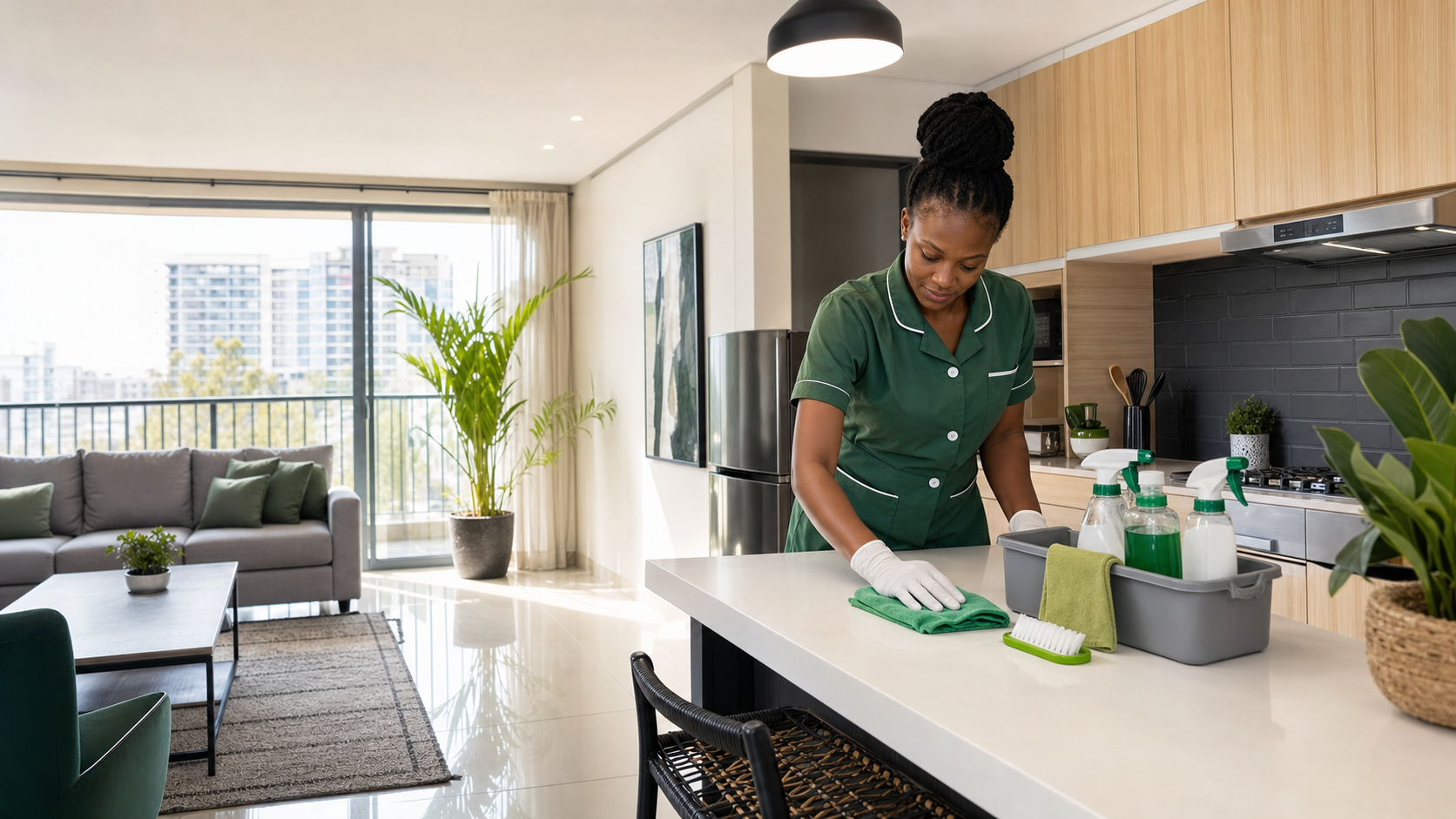
There's regular cleaning, and then there's deep cleaning. If you've ever wiped down your kitchen counters every night but still found a sticky film behind the toaster six months later, you already know the difference. Most of us tidy up constantly without ever really resetting a space — and that gap is exactly where dust, grime, allergens, and bacteria quietly build up.
So how often should you actually deep clean your house? The honest answer is: it depends on the room, how the space is used, and who's living in it. But there are reliable benchmarks that work for almost every household. This guide breaks down exactly how often to deep clean each part of your home, what deep cleaning actually involves, and how to build a routine that doesn't take over your entire weekend.
What Counts as "Deep Cleaning," Really?
Regular cleaning — wiping counters, vacuuming floors, doing dishes — keeps a home looking presentable day to day. Deep cleaning goes underneath and behind that surface-level upkeep. It targets the spots that don't get touched in a normal cleaning routine: baseboards, vents, behind appliances, grout lines, inside cabinets, and under furniture.
Think of it this way: if regular cleaning is brushing your teeth, deep cleaning is the dental checkup. You need both, but they're not interchangeable, and skipping the second one for too long eventually catches up with you.
A typical deep clean includes tasks like:
- Scrubbing grout and tile
- Cleaning behind and underneath appliances
- Washing baseboards, window sills, and light fixtures
- Vacuuming upholstery and mattresses
- Wiping down inside cabinets and drawers
- Cleaning air vents and ceiling fans
- Disinfecting high-touch surfaces thoroughly, not just wiping them
If some of these overlap with what a [professional disinfection service](#) handles in commercial spaces, that's not a coincidence — the underlying principle is the same: surface-level cleaning and true sanitation are two different jobs.
The General Rule of Thumb
For most households, a full whole-house deep clean once every 3 to 6 months is a solid baseline. But that single number hides a lot of nuance, because different rooms accumulate grime at very different speeds.
A bathroom that's used daily by four people needs far more frequent attention than a guest room that's opened once a month. Kitchens, given how much organic matter (food, grease, moisture) moves through them, are often the highest-priority space in the house. So instead of treating deep cleaning as one giant biannual event, it's far more manageable — and more effective — to break it down room by room.
Room-by-Room Deep Cleaning Frequency
Kitchen: Monthly
The kitchen is the hardest-working room in most homes, and it shows. Grease splatters, food residue, and moisture create the perfect environment for bacteria and even mold if left unaddressed.
Deep clean monthly:
- Inside the refrigerator (shelves, drawers, door seals)
- Behind and underneath the stove and refrigerator
- Inside the oven
- Cabinet fronts and handles
- Range hood and filter
- Sink drain and disposal
Between monthly deep cleans, daily wiping of counters and stovetops, along with weekly floor mopping, keeps things from getting out of hand.
Bathroom: Every 2–4 Weeks
Bathrooms combine moisture, warmth, and frequent use — exactly the conditions that mold, mildew, and bacteria thrive in. A surface wipe-down a few times a week is necessary, but a true deep clean should happen more often than people typically assume.
Deep clean every 2–4 weeks:
- Grout and tile scrubbing
- Behind and under the toilet
- Showerhead descaling
- Exhaust fan dusting
- Cabinet interiors under the sink
- Disinfecting door handles, faucet handles, and light switches
If your household has young children, pets, or anyone with allergies or a compromised immune system, lean toward the more frequent end of that range.
Bedrooms: Every 1–3 Months
Bedrooms don't accumulate grease or food residue, but they do accumulate dust, dead skin cells, and allergens — particularly in mattresses, pillows, and curtains.
Deep clean every 1–3 months:
- Flip or rotate the mattress and vacuum it
- Wash pillows and duvets (not just covers)
- Dust ceiling fans, light fixtures, and the tops of door frames
- Clean behind and under the bed
- Wipe down baseboards and window sills
Living Room: Every 1–2 Months
Shared spaces like living rooms see heavy foot traffic and are often where dust, pet hair, and crumbs settle into upholstery and carpets.
Deep clean every 1–2 months:
- Vacuum and spot-clean upholstery
- Wash or shake out throw pillows and blankets
- Dust electronics, shelves, and picture frames
- Clean behind and under furniture
- Vacuum carpets thoroughly, including edges and corners
Carpets and Rugs: Every 6–12 Months (Professionally)
Even with regular vacuuming, carpets trap dust, allergens, and bacteria deep within their fibers. A professional steam clean once or twice a year — more often in high-traffic homes or those with pets — keeps carpets genuinely clean rather than just visually tidy.
Windows: Every 3–6 Months
Beyond looks, dirty windows can trap allergens and reduce natural light. A seasonal window cleaning, inside and out, also gives you a natural opportunity to check screens, tracks, and seals for wear.
Air Vents and HVAC Filters: Every 3 Months
This one's easy to forget, but it matters for both cleanliness and air quality. Dust and allergens build up fast in HVAC filters, and a clogged system also has to work harder, which can quietly raise your energy bill over time.
Factors That Change Your Deep Cleaning Frequency
The schedule above is a strong starting point, but a few household-specific factors should shift the timeline in either direction.
Pets
Shedding, dander, and tracked-in dirt mean homes with pets typically need deep cleaning sessions about twice as often as pet-free homes — particularly for carpets, upholstery, and air vents.
Allergies or Asthma
If anyone in the household deals with allergies, asthma, or other respiratory sensitivities, more frequent deep cleaning of dust- and allergen-prone areas (bedrooms, carpets, vents) can make a noticeable difference in symptoms.
Household Size
More people generally means more mess, more bathroom use, and faster buildup in the kitchen. A household of five will likely need bathroom and kitchen deep cleans on the more frequent end of the range; a single-person household can often stretch toward the longer end.
Climate and Humidity
Humid climates accelerate mold and mildew growth, especially in bathrooms and kitchens, which may call for more frequent attention in those specific rooms — even if the rest of the home is on a standard schedule.
Illness in the Household
If someone in your home has been sick, a targeted deep clean and disinfection of their room, the bathroom, and shared high-touch surfaces is worth doing right away, separate from your regular schedule — similar to how [professional disinfection services](#) recommend a one-time deep treatment after a confirmed illness in commercial spaces.
Building a Realistic Deep Cleaning Schedule
Trying to deep clean the entire house in a single weekend is a fast track to burnout — and it's not actually necessary. A far more sustainable approach is to spread tasks across the month so no single day becomes overwhelming.
A sample monthly rotation:
- Week 1: Kitchen deep clean (fridge, oven, cabinets)
- Week 2: Bathroom deep clean (grout, behind toilet, exhaust fan)
- Week 3: Bedrooms (mattress, linens, baseboards)
- Week 4: Living areas and common spaces (upholstery, vents, windows as needed)
This kind of rotation keeps every room on roughly a monthly cycle for at least a light deep clean, with bigger seasonal tasks — carpets, full window washing, HVAC servicing — layered in quarterly.
Seasonal Deep Cleaning: A Natural Reset Point
Many households find it easiest to anchor bigger deep cleaning pushes to the change of seasons. This isn't just tradition — it lines up naturally with practical needs:
- Spring: Open windows, wash bedding, deep clean after a winter of closed-up indoor air
- Summer: Focus on kitchens and outdoor-adjacent spaces (entryways, patios) due to increased activity and bugs
- Fall: Check HVAC filters and vents before heating season ramps up
- Winter: Focus indoors — carpets, upholstery, and air quality, since homes are sealed up more
Signs You're Overdue for a Deep Clean
If you're not sure whether your home needs attention now or can wait, a few signs point clearly toward "now":
- Persistent musty or stale odors that air fresheners don't fix
- Visible grime in grout lines or around fixtures
- Increased dust on surfaces shortly after cleaning
- Allergy symptoms that seem worse indoors than outdoors
- Buildup behind or under large appliances and furniture you can see when you move them
None of these are emergencies, but they're reliable cues that it's time to move a deep clean up your schedule rather than wait for the "official" date.
DIY Deep Cleaning vs. Hiring Professionals
A motivated household can absolutely handle most deep cleaning tasks with the right tools, time, and a clear checklist. But there are good reasons many people bring in professional help periodically — even just once or twice a year:
- Specialized equipment like steam cleaners and HEPA vacuums that go further than standard household tools
- Time savings, especially for larger homes or busier households
- A genuinely unbiased eye for buildup in spots that are easy to overlook when you live in a space every day
- Health-focused results, particularly for households dealing with allergies, recent illness, or a recent move
A reasonable middle ground many households land on: handle the monthly room-by-room rotation yourself, and bring in a professional team once or twice a year for the bigger jobs — carpets, upholstery, and a full-house reset.
Final Thoughts
There's no single magic number for how often to deep clean your house — but there is a clear pattern. High-use, high-moisture spaces like kitchens and bathrooms need attention monthly or more; bedrooms and living areas can stretch to every one to three months; and bigger jobs like carpets, windows, and HVAC systems do well on a seasonal, three-to-six-month rhythm.
The real key isn't perfection — it's consistency. A simple, realistic rotation that fits your household's actual rhythm will do far more for your home's cleanliness and your own peace of mind than an ambitious one-day overhaul you never quite get around to. Start with the room that's bothering you most, build from there, and let the schedule grow into a habit rather than a chore you're always behind on.
---
Not sure where to start? Pick one room from the list above, set a recurring reminder on your phone, and tackle just that space this weekend — small, consistent resets add up faster than waiting for the "perfect" deep-cleaning day.
Related Lasafi Guides
Use these internal Lasafi resources to compare related services, plan the right scope, and move from research to booking without leaving the site.
- How to Remove Stubborn Stains
- Best Floor Cleaning Method
- Discover DIY cleaning hacks
- Benefits of Professional Cleaning
- Lasafi services
- Book a Lasafi service
Next step with Lasafi
If this service fits your situation, prepare the property location, preferred time, priority areas, and any photos that explain the condition. Then use the booking page so the Lasafi team can review the request clearly.