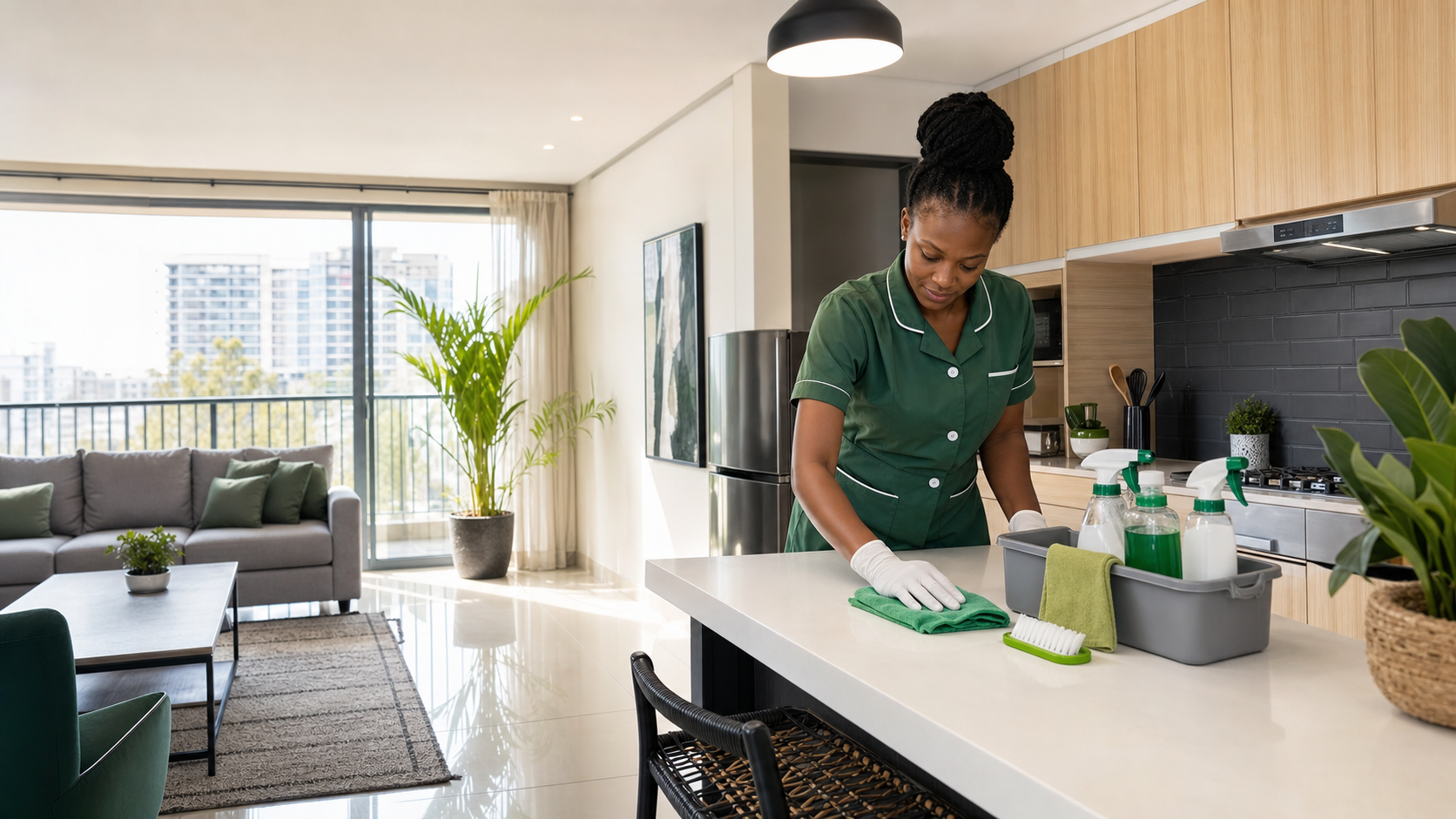
Scroll through any cleaning hashtag online and you'll find a thousand "miracle" tricks promising to transform your home in five minutes flat. Most of them are exaggerated. Some are genuinely useless. But a handful of DIY cleaning hacks have stuck around for a reason — they're backed by simple chemistry, they actually work, and they usually cost a fraction of what name-brand cleaning products charge.
This guide rounds up the DIY cleaning hacks that hold up to scrutiny, organized by room and task, so you can skip the trial-and-error and go straight to what actually gets results. Most of these use ingredients you probably already have in your kitchen.
Why DIY Cleaning Hacks Are Worth Trying
Before diving in, it's worth understanding why these hacks work in the first place — because the ones that last aren't magic, they're just simple, well-matched chemistry.
- Baking soda is mildly abrasive and alkaline, making it effective at lifting grease, neutralizing odors, and gently scrubbing without scratching most surfaces.
- White vinegar is acidic, which makes it excellent at dissolving mineral buildup, soap scum, and some types of stains — though it should be avoided on natural stone and certain hardwood finishes.
- Lemon juice combines mild acidity with a natural degreasing quality, plus it leaves a noticeably fresh scent behind.
- Dish soap is formulated specifically to break down grease and oils, which is why it shows up in so many hacks beyond just washing dishes.
- Rubbing alcohol evaporates quickly and dissolves a wide range of residues, including ink, sticker glue, and some types of grime.
Once you understand these basic properties, you can predict which hacks are likely to actually work — and avoid wasting time on ones that are mostly internet hype. This is the same principle behind matching the right method to the right [stain type](#) instead of guessing.
Kitchen Cleaning Hacks
Clean the Microwave With Lemon and Water
Microwave splatters are notoriously stubborn once they've dried on. Skip the scrubbing:
- Slice a lemon and place the pieces in a microwave-safe bowl with about a cup of water.
- Microwave on high for 3–5 minutes until the water boils and the window steams up.
- Let it sit for a few minutes without opening the door, then wipe the interior with a cloth — the steam loosens dried food so it wipes away almost effortlessly.
Descale a Kettle or Coffee Maker With Vinegar
Mineral buildup from hard water can affect both appliance performance and the taste of your coffee or tea.
- Fill the kettle or coffee maker's reservoir with a 1:1 mixture of white vinegar and water.
- Run a full cycle (for coffee makers) or bring to a boil (for kettles).
- Let it sit for 15–20 minutes, then rinse thoroughly with clean water — run a plain water cycle through coffee makers afterward to remove any lingering vinegar taste.
Unclog and Freshen a Garbage Disposal
A combination of ice and citrus does double duty here — the ice sharpens the blades slightly by knocking off buildup, while the citrus neutralizes odor.
- Toss a handful of ice cubes into the disposal along with a few citrus peels (lemon, lime, or orange).
- Run the disposal with cold water until the ice is fully ground up.
Degrease Stovetops and Range Hoods With Baking Soda Paste
Grease buildup around stovetops and range hoods responds well to a simple paste.
- Mix baking soda with a small amount of water until it forms a thick paste.
- Apply directly to greasy areas and let sit for 10–15 minutes.
- Wipe away with a damp cloth, then rinse the surface clean.
Bathroom Cleaning Hacks
Remove Soap Scum and Hard Water Stains With Vinegar
Soap scum and hard water deposits are alkaline, which is exactly why an acidic solution like vinegar cuts through them so effectively.
- Heat white vinegar slightly (warm, not boiling) and pour it into a spray bottle.
- Spray generously onto shower doors, faucets, and tile, and let sit for 10–15 minutes.
- Wipe away with a damp microfiber cloth, scrubbing gently with a soft brush on stubborn spots.
Clean a Showerhead Without Removing It
Mineral deposits clog showerhead nozzles over time, reducing water pressure.
- Fill a plastic bag with white vinegar.
- Secure the bag around the showerhead with a rubber band so the nozzles are fully submerged.
- Let it soak for at least an hour (overnight for heavy buildup), then remove and run hot water through to flush out loosened deposits.
Freshen a Toilet Bowl With Baking Soda and Vinegar
This combination creates a gentle fizzing reaction that helps lift stains and odor from the bowl.
- Sprinkle a generous amount of baking soda around the inside of the bowl.
- Pour in white vinegar and let the mixture fizz for several minutes.
- Scrub with a toilet brush and flush.
Banish Mildew From Grout With Hydrogen Peroxide
For grout lines with mild mildew or discoloration:
- Apply hydrogen peroxide directly to affected grout lines, either straight from the bottle or mixed into a paste with baking soda for tougher spots.
- Let sit for 10–15 minutes.
- Scrub with a stiff brush and rinse with clean water — the same technique used for [general grout stain removal](#) throughout the home.
Living Room and Bedroom Hacks
Dust With Dryer Sheets
Used dryer sheets aren't just for the laundry — they're great at picking up dust because of their mild anti-static properties, and they leave a slight residue that actually helps repel dust afterward.
- Use a dryer sheet (new or already used) to wipe down baseboards, blinds, TV screens, and electronics.
- The anti-static effect helps prevent dust from resettling as quickly as it would after a standard dusting.
Remove Carpet Indentations From Furniture
Moving furniture often leaves stubborn dents in carpet. A surprisingly simple fix:
- Place an ice cube directly on the indentation and let it melt completely.
- Once the carpet fibers have absorbed the moisture, gently fluff the area with your fingers or the edge of a spoon.
- The fibers will spring back to their original shape as they dry.
Freshen Upholstery and Mattresses With Baking Soda
This is the same trick used in [mattress cleaning](#) and [sofa maintenance](#), and it works because baking soda absorbs moisture and odor-causing particles rather than just masking the smell.
- Sprinkle a generous, even layer of baking soda across the fabric.
- Let sit for at least an hour, longer for stronger odors.
- Vacuum thoroughly to remove the powder along with whatever it absorbed.
Clean Wood Furniture With Olive Oil and Vinegar
A simple homemade furniture polish that conditions wood while cleaning it:
- Mix three parts olive oil with one part white vinegar in a spray bottle.
- Spray lightly onto a soft cloth (not directly onto the furniture) and wipe in the direction of the wood grain.
- Buff with a clean, dry cloth for a natural shine.
Laundry Room Hacks
Brighten Whites Naturally With Lemon Juice
Instead of reaching for harsh bleach for every load, lemon juice offers a gentler brightening option.
- Add half a cup of lemon juice to your wash cycle along with regular detergent.
- For particularly dingy whites, soak the items in a basin of hot water and lemon juice for an hour before washing.
Remove Lint and Pet Hair With a Damp Rubber Glove
For clothes and upholstery covered in pet hair, a slightly damp rubber dish glove works surprisingly well.
- Put on the glove and dampen it slightly with water.
- Run your hand across the fabric — the static and texture combination causes hair and lint to ball up and stick to the glove, making it easy to remove in clumps.
Deodorize a Washing Machine With Vinegar
Washing machines, especially front-loaders, can develop a musty smell over time from trapped moisture and detergent residue.
- Run an empty cycle on the hottest setting with two cups of white vinegar added to the drum.
- Wipe down the rubber gasket and detergent dispenser afterward, since these areas tend to trap the most moisture and residue.
General-Purpose Hacks Worth Knowing
Make an All-Purpose Cleaner
A simple, effective all-purpose spray can be made at home for general surface cleaning:
- Combine one part white vinegar with one part water in a spray bottle.
- Add a few drops of essential oil (optional) for scent.
- Use on most hard, sealed surfaces — avoid natural stone, where the acidity can cause etching over time.
Clean Stainless Steel Without Streaks
- Wipe the surface with a microfiber cloth dampened in plain water to remove dust and fingerprints.
- Apply a small amount of olive oil to a separate dry cloth and buff in the direction of the steel's grain.
- This leaves a streak-free shine and helps resist future fingerprint smudges.
Remove Sticker Residue With Rubbing Alcohol
Leftover sticky residue from price tags or labels is one of the most satisfying quick fixes:
- Soak a cotton ball in rubbing alcohol and press it onto the residue for a minute or two.
- Rub gently in a circular motion until the residue lifts away.
- Wipe clean with a damp cloth.
DIY Hacks Worth Skipping
Not every viral cleaning trend deserves a spot in your routine. A few common ones to approach with caution:
- Mixing vinegar and bleach — this combination creates toxic chlorine gas and should never be attempted under any circumstances.
- Using vinegar on natural stone — the acidity etches marble, granite, and similar surfaces, causing permanent dulling.
- Magic erasers on glossy or painted surfaces — these melamine sponges are mildly abrasive and can dull glossy finishes over repeated use.
- Toothpaste as a multi-purpose stain remover — while it works in a pinch on a few specific surfaces, it's not formulated for fabric or upholstery and can leave its own residue behind.
When a hack sounds too good to be true or involves mixing chemicals you wouldn't normally combine, it's worth doing a quick safety check before trying it — particularly with anything involving bleach.
Building a DIY Cleaning Kit
Most of the hacks above rely on a small, repeatable set of ingredients. Keeping these stocked means you're always ready for a quick fix:
- White vinegar
- Baking soda
- Lemons or bottled lemon juice
- Dish soap
- Rubbing alcohol
- Hydrogen peroxide
- A few microfiber cloths
- A spray bottle or two for mixing solutions
Having this basic kit on hand covers the overwhelming majority of everyday cleaning challenges without needing a cabinet full of specialty products.
When DIY Isn't Enough
DIY hacks are excellent for routine maintenance and minor messes, but they have limits. For situations like long-set-in stains, significant mold growth, allergen-heavy carpets, or anything involving proper sanitation rather than surface cleanliness, a [professional deep clean or disinfection service](#) will outperform home remedies — both in results and in the time it would take to achieve the same outcome yourself.
A good rule of thumb: DIY hacks handle the day-to-day, but bigger, more stubborn, or health-related cleaning tasks are worth the investment in a professional approach.
Final Thoughts
The best DIY cleaning hacks aren't internet gimmicks — they're simple chemistry, applied consistently. Vinegar cuts through mineral buildup, baking soda lifts odor and grease, lemon brightens and degreases, and a handful of household basics can replace an entire shelf of specialty cleaning products.
Start with a few of the hacks above that match your most common cleaning headaches, build a small kit of go-to ingredients, and you'll find that most everyday messes don't require anything more than what's already sitting in your kitchen.
---
Ready to put these to the test? Pick one room, grab a couple of ingredients from the list above, and try just one hack this week — small wins add up fast once you know what actually works.
Related Lasafi Guides
Use these internal Lasafi resources to compare related services, plan the right scope, and move from research to booking without leaving the site.
- Deep cleaning checklist
- How to Remove Stubborn Stains
- Best Floor Cleaning Method
- Benefits of Professional Cleaning
- Lasafi services
- Book a Lasafi service
Next step with Lasafi
If this service fits your situation, prepare the property location, preferred time, priority areas, and any photos that explain the condition. Then use the booking page so the Lasafi team can review the request clearly.