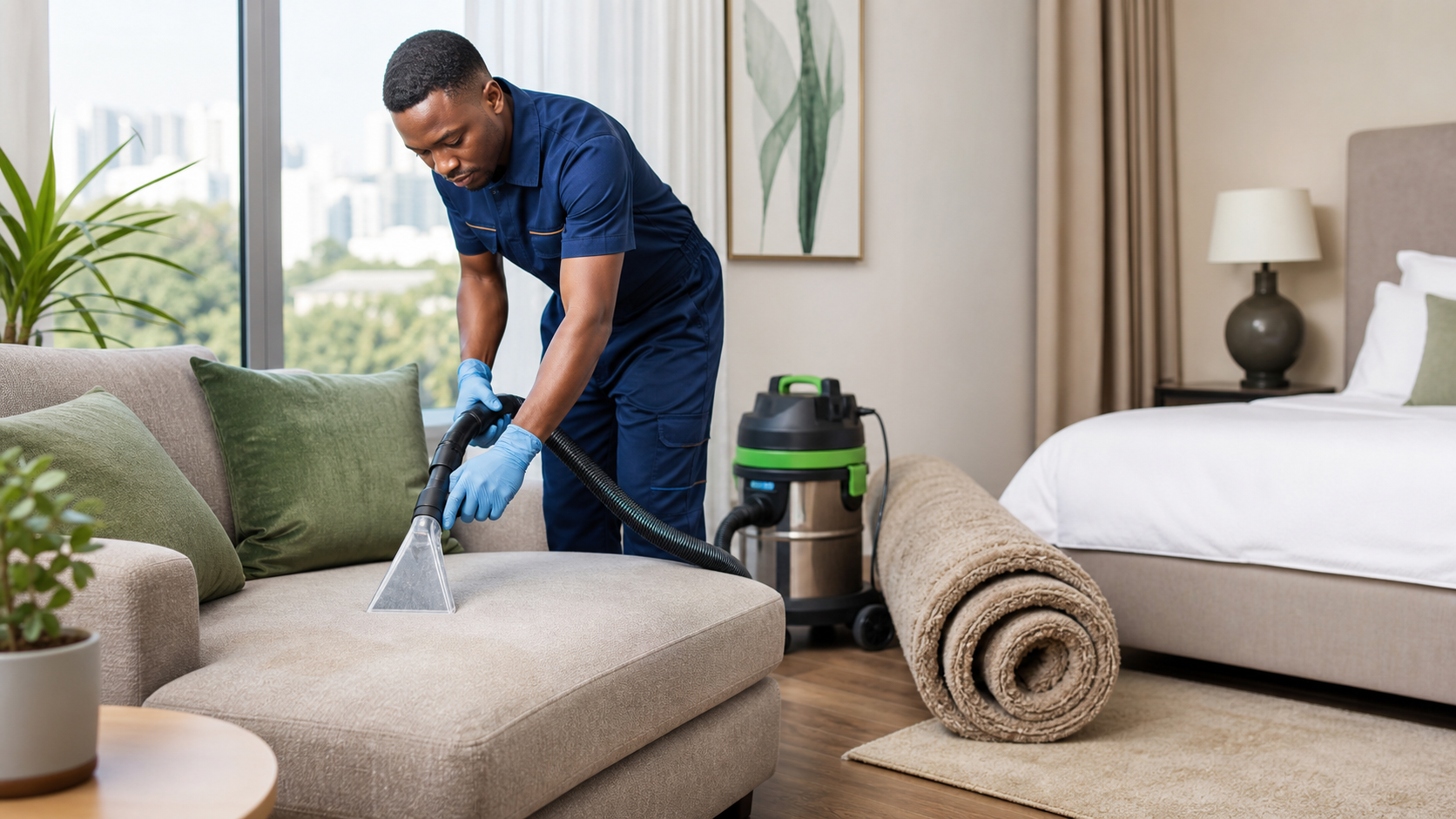
The sofa sees more daily action than almost any other piece of furniture in the house. It's where you eat dinner in front of the TV, where the kids jump and spill, where the dog curls up after a walk, and where guests sit during every gathering you host. With that much use, it's no surprise sofas accumulate dust, body oils, crumbs, pet hair, and the occasional stain that nobody quite remembers the origin of.
Despite all that wear, sofa cleaning is one of the most commonly skipped chores in the house — largely because people aren't sure where to start, or worry about damaging the fabric. The truth is, cleaning a sofa properly is very manageable once you know your material type and follow the right process. This guide walks through exactly how to clean a sofa from start to finish, covering fabric, leather, and everything in between.
Why Regular Sofa Cleaning Matters
A sofa that looks fine on the surface can still be holding onto more than meets the eye. Over time, upholstery accumulates:
- Dust mites and allergens, similar to what builds up in a mattress over months of regular use
- Body oils and sweat, which settle into fabric fibers from repeated contact
- Pet dander and hair, especially in households where pets are allowed on the furniture
- Crumbs and food residue, which can attract pests if left unaddressed
- Stains, from spilled drinks, food, ink, or pet accidents
None of this is unusual — it's simply what happens to any well-used piece of furniture. But a regular cleaning routine keeps allergens in check, extends the life of the fabric, and honestly just makes the room feel fresher. It follows the same logic behind [routine deep cleaning](#) elsewhere in the home: surface tidiness and genuine cleanliness aren't always the same thing.
How Often Should You Clean Your Sofa?
A general guideline:
- Vacuum weekly to keep surface dust, crumbs, and pet hair from building up
- Spot-treat stains immediately as they happen, rather than waiting
- Deep clean every 3 to 6 months, which lines up well with the broader [seasonal deep cleaning rhythm](#) recommended for the rest of the house
Households with pets, young children, or anyone with allergies should lean toward the more frequent end of that range.
Step 1: Check the Cleaning Code on Your Sofa
Before doing anything else, find the manufacturer's cleaning code tag, usually located under a cushion or on the underside of the sofa. This single step prevents the most common and avoidable mistake in sofa cleaning — using the wrong type of cleaner on the wrong fabric.
- W — Water-based cleaners are safe to use
- S — Solvent-based cleaners only; avoid water, which can cause staining or shrinkage
- WS — Either water- or solvent-based cleaners can be used
- X — Vacuum only; no liquid cleaners of any kind, professional cleaning recommended
If there's no visible tag, treat the sofa cautiously and test any cleaning solution on a hidden area first, such as the back or underside of a cushion.
What You'll Need
Most sofa cleaning supplies overlap with what you'd use for [general stain removal](#) around the house:
- A vacuum cleaner with an upholstery attachment
- Baking soda
- A soft-bristled brush
- Mild dish soap
- White vinegar
- A spray bottle
- Clean white cloths
- A fabric-safe upholstery cleaner (matched to your sofa's cleaning code)
- Leather cleaner and conditioner, if applicable
Step-by-Step: How to Clean a Fabric Sofa
Step 1: Remove and Vacuum Cushions
Take off any removable cushions and vacuum each one individually, along with the main body of the sofa. Use the upholstery attachment and work in slow, overlapping strokes, paying particular attention to:
- Seams and piping, where dust and crumbs tend to collect
- The crevices between cushions and the frame, where coins, crumbs, and pet hair commonly hide
- The underside of the sofa and the base, if accessible
Step 2: Treat Visible Stains
Before cleaning the whole sofa, address individual stains first, matching the treatment to the stain type — the same approach used for [removing stubborn stains](#) anywhere else in the home.
For food and grease stains:
- Blot up any excess immediately, without rubbing.
- Mix a small amount of dish soap with cold water.
- Dab the solution onto the stain with a clean cloth, working from the outside in.
- Blot with a clean, damp cloth to rinse, then blot dry.
For wine, coffee, or juice stains:
- Blot immediately to absorb as much liquid as possible.
- Mix one tablespoon of dish soap, one tablespoon of white vinegar, and two cups of cold water.
- Apply with a clean cloth, blotting gently rather than scrubbing.
- Rinse by blotting with a cloth dampened in plain water, then blot dry.
For pet stains and odors:
- Blot up any liquid right away.
- Apply an enzyme-based cleaner formulated for pet stains, which breaks down the source of the odor rather than masking it.
- Let it sit per the product's instructions before blotting dry.
For ink stains:
- Dab the area with a small amount of rubbing alcohol on a cotton ball, working from the outside in.
- Continue until the ink stops transferring, then rinse the area gently with a damp cloth.
Always test any solution on a hidden patch of fabric first, and avoid soaking the upholstery — too much moisture can seep into the cushion padding underneath and lead to mold or a musty smell that's much harder to resolve than the original stain.
Step 3: Deep Clean the Full Surface
Once individual stains are treated, it's time to refresh the entire sofa.
If your cleaning code allows water-based cleaning (W or WS):
- Mix a mild solution of dish soap and warm water, or use a fabric-safe upholstery cleaner.
- Using a soft-bristled brush, gently work the solution into the fabric in small circular motions, section by section.
- Wipe away the solution with a clean, damp cloth as you go.
- Avoid oversaturating any one area — a light, even application is more effective and far safer for the fabric.
If your cleaning code requires solvent-based cleaning (S):
- Use a solvent-based upholstery cleaner specifically labeled for this purpose.
- Apply in a well-ventilated room, following the product's instructions closely.
- Avoid water-based products entirely, since they can cause rings, shrinkage, or discoloration on solvent-only fabrics.
Step 4: Deodorize With Baking Soda
Just like with [mattress cleaning](#), baking soda is a simple, effective way to lift odors out of upholstery fabric.
- Sprinkle a generous, even layer of baking soda across the entire sofa, including cushions.
- Let it sit for at least one hour — longer if the sofa has noticeable odor, ideally a few hours or overnight.
- Vacuum thoroughly afterward to remove all the powder along with the odors and fine debris it absorbed.
Step 5: Let It Dry Completely
Allow the sofa to air dry fully before placing cushions back or sitting on it. Open a window or use a fan to speed up the process. Sofas that stay damp for too long are prone to developing a musty smell or even mold within the cushion padding, so this step matters more than it might seem.
Step 6: Fluff and Reshape Cushions
Once everything is dry, fluff and reshape the cushions to help them return to their original form. Rotating cushions periodically — flipping them or swapping seating positions — also helps even out wear over time, similar to rotating a mattress.
How to Clean a Leather Sofa
Leather requires a different approach than fabric, since standard cleaners and excess moisture can dry out or crack the material over time.
- Dust first. Wipe down the entire sofa with a dry microfiber cloth to remove surface dust before applying anything wet.
- Spot test. Always test any cleaner on a hidden area first, such as the back of an armrest.
- Clean gently. Use a mixture of mild soap and water, or a leather-specific cleaner, applied with a soft, slightly damp cloth. Avoid soaking the leather.
- Wipe and dry. Follow with a dry cloth to remove any excess moisture immediately.
- Condition regularly. Apply a leather conditioner every few months to prevent cracking and keep the material supple — this step is just as important as the cleaning itself for leather longevity.
Avoid harsh chemicals, baby wipes, or alcohol-based cleaners on leather, since these can strip natural oils from the material and cause premature cracking or fading.
How to Clean Microfiber and Synthetic Upholstery
Microfiber is popular for being relatively stain-resistant, but it has its own quirks:
- Vacuum regularly to prevent dust buildup in the textured fabric.
- For most microfiber, a solvent-based cleaner (check the tag) works best, since water can sometimes leave noticeable rings or watermarks.
- If water marks do appear, gently rubbing the area with a clean, slightly damp sponge in a circular motion, then brushing with a soft brush once dry, often restores the texture.
Tips for Keeping Your Sofa Fresh Between Deep Cleans
- Vacuum weekly to prevent dust, crumbs, and pet hair from settling in
- Use removable, washable covers or throws on high-use areas like armrests and the seat where heads or hands rest most often
- Address spills immediately rather than letting them sit, since fresh stains lift far more easily than set-in ones
- Rotate and fluff cushions regularly to even out wear and prevent permanent indentations
- Keep pets off the furniture when possible, or use a washable throw in their favorite spot to minimize direct contact with the upholstery
- Air it out occasionally, especially in humid climates, to prevent musty odors from developing
When to Call in Professional Help
While most sofa maintenance is manageable at home, there are situations where professional upholstery cleaning is the better call:
- A sofa with an "X" cleaning code that can't be safely treated with any liquid cleaner at home
- Heavy staining or significant odor that hasn't improved after repeated home treatment
- A valuable or antique piece of furniture where the wrong cleaning method could cause irreversible damage
- A household member with severe allergies who needs deeper allergen removal than vacuuming and spot cleaning can provide
- After a major spill involving bodily fluids, where professional [disinfection](#) ensures the area is properly sanitized
Professional upholstery cleaners use equipment like hot water extraction and specialized solvents that reach deeper into cushion padding than home methods can, which is especially useful for sofas that haven't been deep cleaned in a long time.
Final Thoughts
A sofa works hard, and a little regular attention goes a long way toward keeping it fresh, hygienic, and comfortable for years to come. The process itself isn't complicated — check the cleaning code, vacuum thoroughly, treat stains by type, deep clean the surface, deodorize with baking soda, and let everything dry completely before settling back in.
Pair that routine with a few simple habits — weekly vacuuming, quick spill response, and the occasional fluff and rotation — and your sofa will stay in far better shape between deep cleans. It's one of the most-used pieces of furniture in your home; a few hours of care every few months is a small trade for keeping it looking, and feeling, genuinely clean.
---
Ready to get started? Check your sofa's cleaning code today, grab a few supplies from the list above, and set aside an afternoon this weekend to give it the refresh it's probably overdue for.
Related Lasafi Guides
Use these internal Lasafi resources to compare related services, plan the right scope, and move from research to booking without leaving the site.
- How to Remove Stubborn Stains
- How to Clean a Mattress
- Best Sofa Cleaning Company
- Carpet Cleaning Services in Nairobi: Remove Tough Stains Right
- Lasafi services
- Book a Lasafi service
Next step with Lasafi
If this service fits your situation, prepare the property location, preferred time, priority areas, and any photos that explain the condition. Then use the booking page so the Lasafi team can review the request clearly.