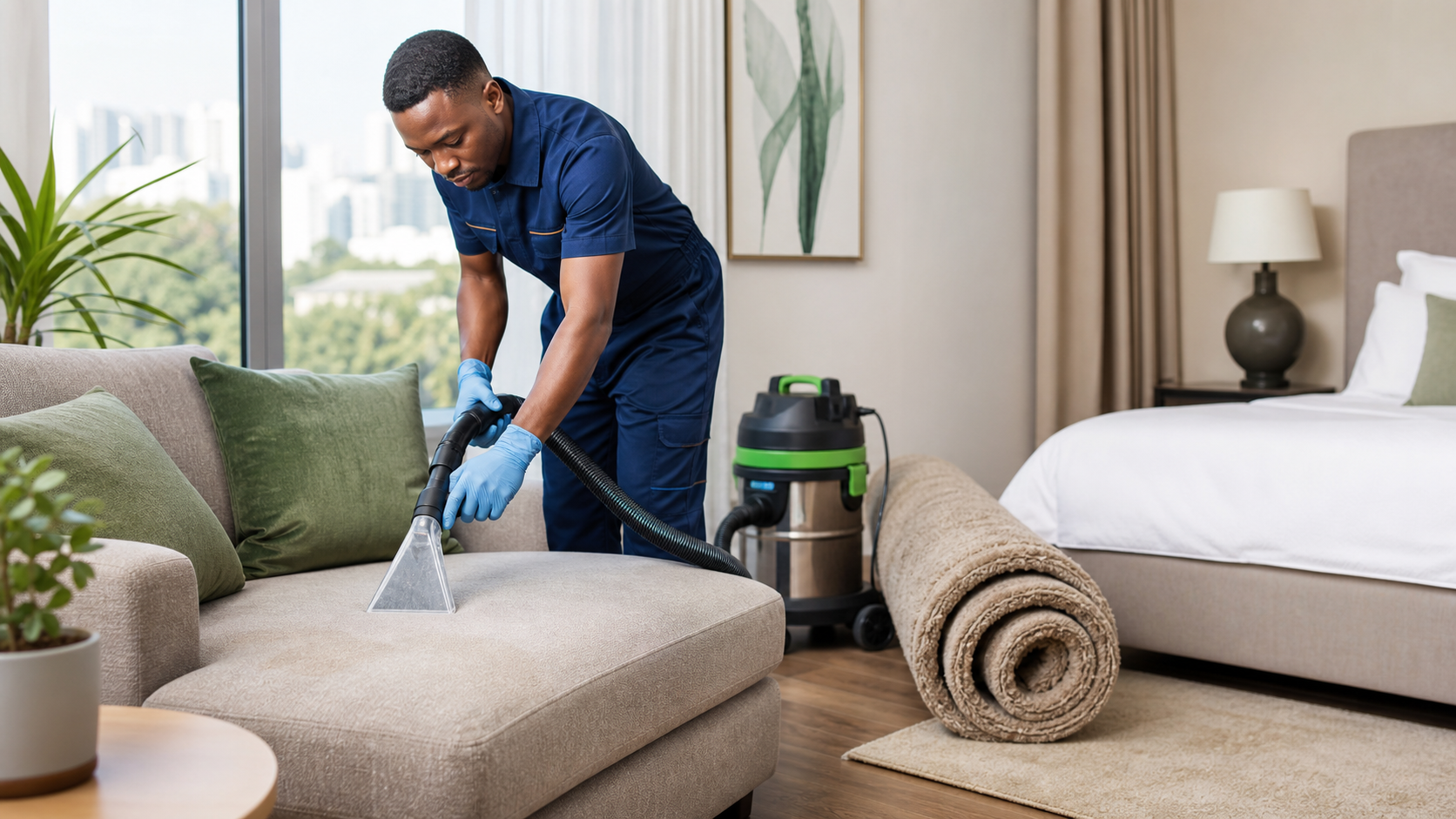
You wash your sheets every week or two, but when's the last time you actually cleaned the mattress underneath them? For most people, the honest answer is "I can't remember" — or worse, "never." It's an easy thing to overlook, since a mattress is hidden under bedding most of the time. But you spend roughly a third of your life lying on it, and over months and years, it quietly accumulates dust mites, dead skin cells, sweat, oils, and the occasional spill that never quite got addressed.
The good news is that cleaning a mattress isn't complicated, and you don't need special equipment to do it well. This guide walks through exactly how to clean a mattress from start to finish — including how to tackle stubborn stains, neutralize odors, and keep it fresh between deep cleans.
Why Mattress Cleaning Matters More Than You'd Think
A mattress that looks clean on the surface can still be harboring a surprising amount underneath. Over time, mattresses accumulate:
- Dust mites, which feed on shed skin cells and are one of the most common indoor allergy triggers
- Sweat and body oils, which seep into the fabric and foam over months of nightly use
- Dead skin cells, which accumulate steadily and contribute to that dust mite population
- Stains, from spilled drinks, sweat, or other bodily fluids
- Odors, which build up gradually and often go unnoticed by the people who sleep on the mattress every night
None of this means your mattress is dirty in an alarming way — it's simply the natural result of years of regular use. But a regular cleaning routine makes a real difference, particularly for people with allergies or asthma, and it also extends the life of the mattress itself.
How Often Should You Clean Your Mattress?
As a general rule, a full mattress clean should happen every 3 to 6 months, which lines up with the same rhythm recommended for [other deep cleaning tasks around the house](#). A few situations call for more frequent attention:
- Households with pets that sleep on the bed
- People with allergies or asthma
- After an illness or a spill
- Mattresses used by children, who are more prone to accidents
Alongside the deeper clean, a quick weekly vacuum and a monthly airing-out session will keep things fresh between full cleanings.
What You'll Need
Most mattress cleaning supplies are things you likely already have at home:
- A vacuum cleaner with an upholstery attachment
- Baking soda
- A spray bottle
- White vinegar
- Dish soap
- Hydrogen peroxide (3%)
- Cold water
- Clean white cloths or paper towels
- A soft-bristled brush
You don't need a wet-vacuum or specialized equipment for a basic deep clean, although they can help speed up the drying process if you have one available.
Step-by-Step: How to Clean a Mattress
Step 1: Strip Everything Off
Remove all sheets, pillowcases, mattress protectors, and any bedding. Wash these separately in hot water (check care labels first) while you work on the mattress itself.
Step 2: Vacuum Thoroughly
Using the upholstery attachment, vacuum the entire surface of the mattress in slow, overlapping strokes. Pay extra attention to:
- Seams and edges, where dust and debris tend to collect
- Tufted or quilted areas, which trap more dust than flat surfaces
- The sides of the mattress, not just the top
Flip the mattress if it's a flippable model and vacuum the underside as well. This single step removes a surprising amount of dust, hair, and debris before any liquid treatment even begins.
Step 3: Treat Stains
Before applying baking soda across the whole mattress, address any visible stains individually — this matches the same blot-first, treat-by-type approach that works for [removing stubborn stains](#) anywhere else in the home.
For sweat stains (often yellowish):
- Mix equal parts hydrogen peroxide and dish soap with a tablespoon of baking soda.
- Apply directly to the stain and let sit for 30–60 minutes.
- Blot with a clean, damp cloth and let air dry.
For blood stains:
- Use cold water only — never hot, which can set the stain permanently.
- Apply hydrogen peroxide directly to the stain and watch it bubble as it lifts.
- Blot with a clean cloth, repeating until the stain fades.
For urine stains:
- Blot up as much liquid as possible if the stain is fresh.
- Apply an enzyme-based cleaner specifically designed to break down organic stains and neutralize odor at the source.
- Let it sit according to the product's instructions before blotting dry.
For general or unknown stains:
- Mix a small amount of dish soap with cold water.
- Gently dab the solution onto the stain with a soft cloth, working from the outside in.
- Blot with a clean, damp cloth to rinse, then blot dry.
In every case, avoid soaking the mattress — too much moisture can seep into the foam or padding and lead to mold or mildew, which is far harder to deal with than the original stain.
Step 4: Deodorize With Baking Soda
Once stains are treated and the mattress has had a chance to dry slightly, it's time to tackle odor.
- Sprinkle a generous, even layer of baking soda across the entire surface of the mattress.
- For extra odor-fighting power, mix in a few drops of essential oil (lavender or tea tree work well) before sprinkling, though this step is optional.
- Let the baking soda sit for at least one hour — ideally several hours, or even overnight if your schedule allows.
- The longer it sits, the more odor and moisture it absorbs.
Step 5: Vacuum Again
Once the baking soda has had time to work, vacuum the entire mattress again thoroughly, making sure to remove all the powder. This second vacuum pass also picks up any additional dust or debris that loosened during the cleaning process.
Step 6: Let It Air Out
Before putting sheets back on, give the mattress time to fully air dry — ideally near an open window or in a well-ventilated room. If weather permits, propping the mattress up to allow airflow on both sides speeds up drying and helps with sun exposure, which has a natural deodorizing and mild disinfecting effect.
Avoid putting bedding back on a mattress that isn't completely dry, since trapped moisture is exactly what allows mold and mildew to develop.
Step 7: Flip or Rotate (If Applicable)
If your mattress is designed to be flipped or rotated, this is a good moment to do it. Rotating head-to-foot every few months helps even out wear, while flippable mattresses benefit from being turned over entirely. Check your mattress's care instructions, since many modern mattresses with specific comfort layers are designed to stay one-side-up only.
Special Considerations by Mattress Type
Memory Foam
Memory foam is more sensitive to moisture than traditional mattresses, since trapped liquid can be slow to evaporate from the dense material. Use minimal liquid when treating stains, and extend the air-drying time significantly before remaking the bed.
Innerspring
Innerspring mattresses tolerate light moisture and vacuuming well, but avoid pressing down hard while vacuuming or scrubbing, since this can disturb the coil structure over time.
Hybrid Mattresses
Hybrid mattresses combine foam and coils, so treat them with the same caution as memory foam when it comes to moisture, while following standard vacuuming techniques for the surface layer.
Mattress Toppers and Protectors
If you use a mattress protector, check the care label — many are machine washable and should be laundered on the same schedule as your sheets, which significantly reduces how often the mattress itself needs deep cleaning.
Tips for Keeping Your Mattress Fresh Between Deep Cleans
A full deep clean every few months goes a long way, but a few simple habits extend freshness in between:
- Use a mattress protector. This is the single most effective way to prevent stains and reduce allergen buildup, since it creates a washable barrier between you and the mattress itself.
- Wash sheets weekly. Regular bedding washes reduce the amount of sweat, oil, and skin cells that reach the mattress surface in the first place.
- Vacuum monthly. A quick vacuum pass once a month keeps dust and debris from accumulating heavily between full cleans.
- Air it out regularly. Stripping the bed and letting the mattress breathe for a few hours, even without a full cleaning, helps reduce moisture and odor buildup.
- Address spills immediately. The faster a spill or stain is treated, the easier it lifts — letting something sit overnight makes the eventual cleanup significantly harder.
When to Consider Professional Cleaning
While most mattress maintenance is well within reach for a DIY approach, there are situations where professional help is worth considering:
- A mattress that's significantly stained or has a persistent odor despite repeated home treatment
- A household member with severe allergies or asthma who needs a more thorough allergen removal process
- After a major spill involving bodily fluids, where professional [disinfection](#) ensures the area is fully sanitized, not just visually clean
- A mattress that hasn't been cleaned in several years and could benefit from specialized equipment like hot water extraction
Professional upholstery and mattress cleaning services use equipment that reaches deeper into the material than home vacuuming and spot treatment can, which is particularly useful for older mattresses or significant allergen concerns.
When to Replace Instead of Clean
Cleaning extends a mattress's life and improves hygiene, but it has limits. If your mattress shows any of the following, cleaning likely won't solve the underlying issue:
- Visible sagging or lumps that affect sleep comfort
- A persistent odor that returns shortly after cleaning, which may indicate deep mold growth
- The mattress is past its expected lifespan (typically 7–10 years depending on type and quality)
- Stains that have caused visible deterioration of the fabric or foam itself
In these cases, a thorough cleaning is still worthwhile for hygiene before disposal or donation, but it's reasonable to start planning for a replacement rather than expecting cleaning alone to fully restore the mattress.
Final Thoughts
Cleaning a mattress isn't something most people think about until there's a visible stain or a noticeable odor — but a regular routine, even just twice a year, makes a real difference in both hygiene and sleep quality. The process itself is simple: strip the bed, vacuum thoroughly, treat stains by type, deodorize with baking soda, and let everything air dry completely before remaking the bed.
Pair that routine with a mattress protector and weekly sheet washing, and you'll dramatically cut down on how much buildup ever reaches the mattress in the first place. A few hours of attention every few months goes a long way toward a fresher, healthier place to spend a third of your life.
---
Ready to get started? Strip your bed this weekend, run through the steps above, and let your mattress air out overnight — a fresher night's sleep is closer than you think.
Related Lasafi Guides
Use these internal Lasafi resources to compare related services, plan the right scope, and move from research to booking without leaving the site.
- How to Remove Stubborn Stains
- How to Clean a Sofa
- Best Sofa Cleaning Company
- Carpet Cleaning Services in Nairobi: Remove Tough Stains Right
- Lasafi services
- Book a Lasafi service
Next step with Lasafi
If this service fits your situation, prepare the property location, preferred time, priority areas, and any photos that explain the condition. Then use the booking page so the Lasafi team can review the request clearly.